
 ✓
✓
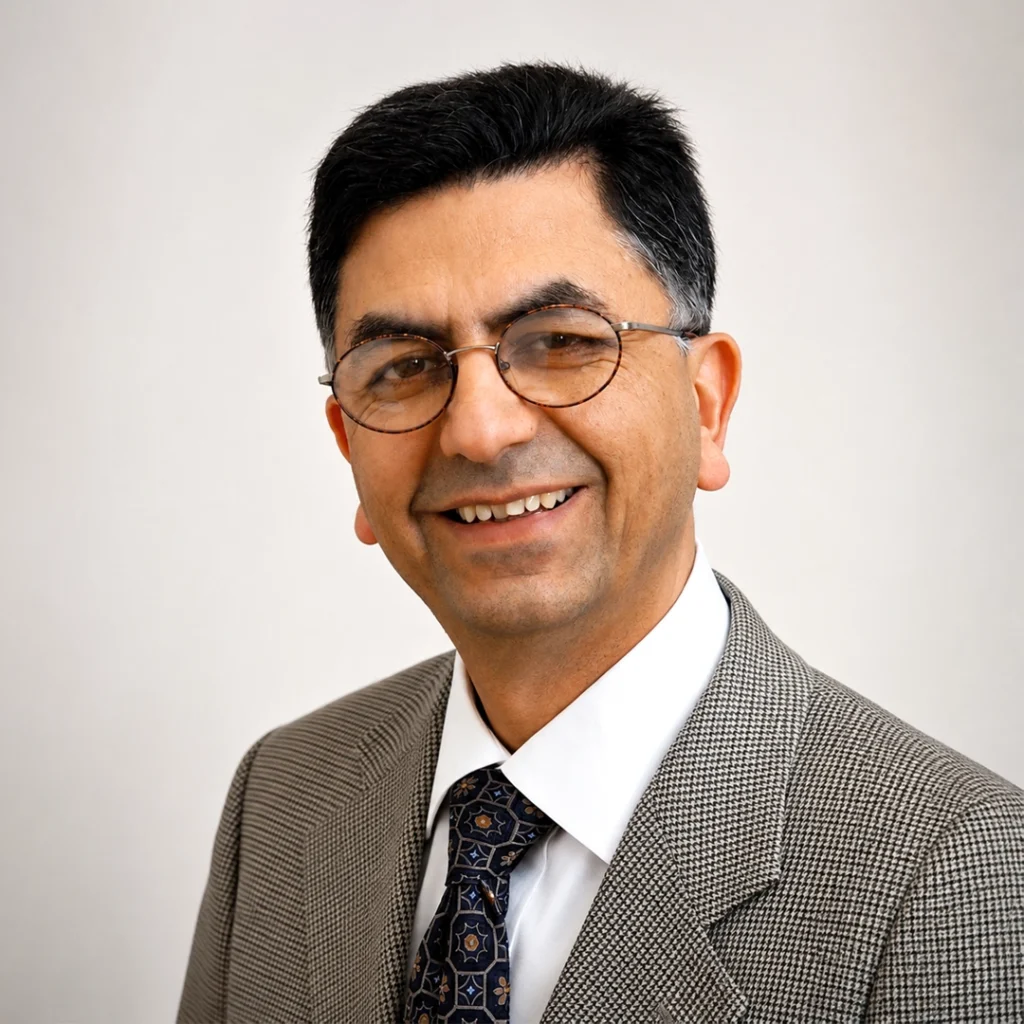
Shalender Bhasin, MB, BS
Endocrinologist · Professor of Medicine · Testosterone and Muscle Research
Shalender Bhasin is a physician-scientist and endocrinologist whose research has shaped modern understanding of testosterone biology, male hypogonadism, skeletal muscle, physical function and healthy aging. His work includes major clinical trials, dose-response studies and guideline development focused on the appropriate diagnosis, treatment and monitoring of testosterone deficiency.
About Dr. Bhasin
His career combines specialist endocrinology, clinical trials, aging research and
the study of hormones that influence muscle, body composition and physical function.
Current academic and clinical role
Dr. Bhasin is listed by Harvard Medical School as a Professor in the Department of Medicine
and by Brigham and Women’s Hospital as an endocrinologist in its Division of Endocrinology,
Diabetes and Hypertension.
Research leadership
His Brigham roles have included leadership of the Boston Claude D. Pepper Older Americans
Independence Center and the Men’s Health, Aging and Metabolism Research Unit.
Areas of expertise
ClearMed Journal presents hormone and performance-related topics using medically accurate,
risk-aware and evidence-based terminology.
Testosterone biology
Hormone physiology, androgen action, testosterone measurement and dose-response research.
Male hypogonadism
Diagnosis of testosterone deficiency, patient selection, treatment and clinical monitoring.
Muscle and body composition
Skeletal-muscle mass, strength, fat mass, physical performance and anabolic mechanisms.
Testosterone therapy
Potential benefits, treatment limitations, adverse effects and evidence-based monitoring.
Anabolic-androgenic steroids
Medical effects, nonmedical-use risks, endocrine suppression, fertility and safety concerns.
Aging and physical function
Sarcopenia, frailty, mobility, healthy aging and function-promoting therapies.
Medical training
Medical education
All India Institute of Medical Sciences · 1970–1976
Internal medicine training
McGaw Medical Center of Northwestern Memorial Hospital · 1978–1981
Endocrinology fellowship
Harbor–UCLA Medical Center · 1981–1983
Professor of Medicine
Harvard Medical School
Selected research themes
- ✓Testosterone dose-response effects on muscle mass and strength
- ✓Accurate measurement and interpretation of testosterone levels
- ✓Benefits and risks of testosterone therapy in hypogonadal men
- ✓Sarcopenia, frailty and physical-function interventions
- ✓Hormonal and anabolic therapies in aging and chronic disease
Professional contribution
Selected contributions
- ✓Lead author of the Endocrine Society guideline on testosterone therapy in men with hypogonadism
- ✓Lead investigator in major testosterone trials, including research from the TRAVERSE program
- ✓Influential research defining testosterone dose-response relationships
- ✓Research on muscle, strength, physical function and healthy aging
- ✓Clinical work in endocrinology, hormone therapy and men’s health
Professional sources
Readers can use these records to confirm the profile information and explore published work.
Profile review & publication
Profile information reviewed and published by ClearMed Journal
Professional titles, training, expertise, roles and linked records are presented using the profile information and professional sources maintained for this expert.
Professional information is organised against linked records.
Readers can open professional, academic or scholarly references.
Writing and medical-review relationships are displayed separately.
Profiles can be revised when material professional information changes.
Medical information notice: This profile and related articles provide general educational information and do not replace diagnosis, treatment or advice from a licensed healthcare professional. Testosterone and anabolic-androgenic steroids can cause significant adverse effects and should not be used without appropriate medical supervision.
Explore other profiles
Browse additional expert profiles across clinical medicine, research and medical content.
 ✓ Credentials reviewed
Dr. Neha Sharma, PhD
Senior Medical Writer · Drug Safety & Pharmacovigilance · Medical Microbiology
Dr. Neha Sharma is a Senior Medical Writer and pharmacovigilance professional with more than nine years of experience in medical writing, drug safety, scientific literature assessment and regulatory documentation. Her work focuses on translating…
View expert profile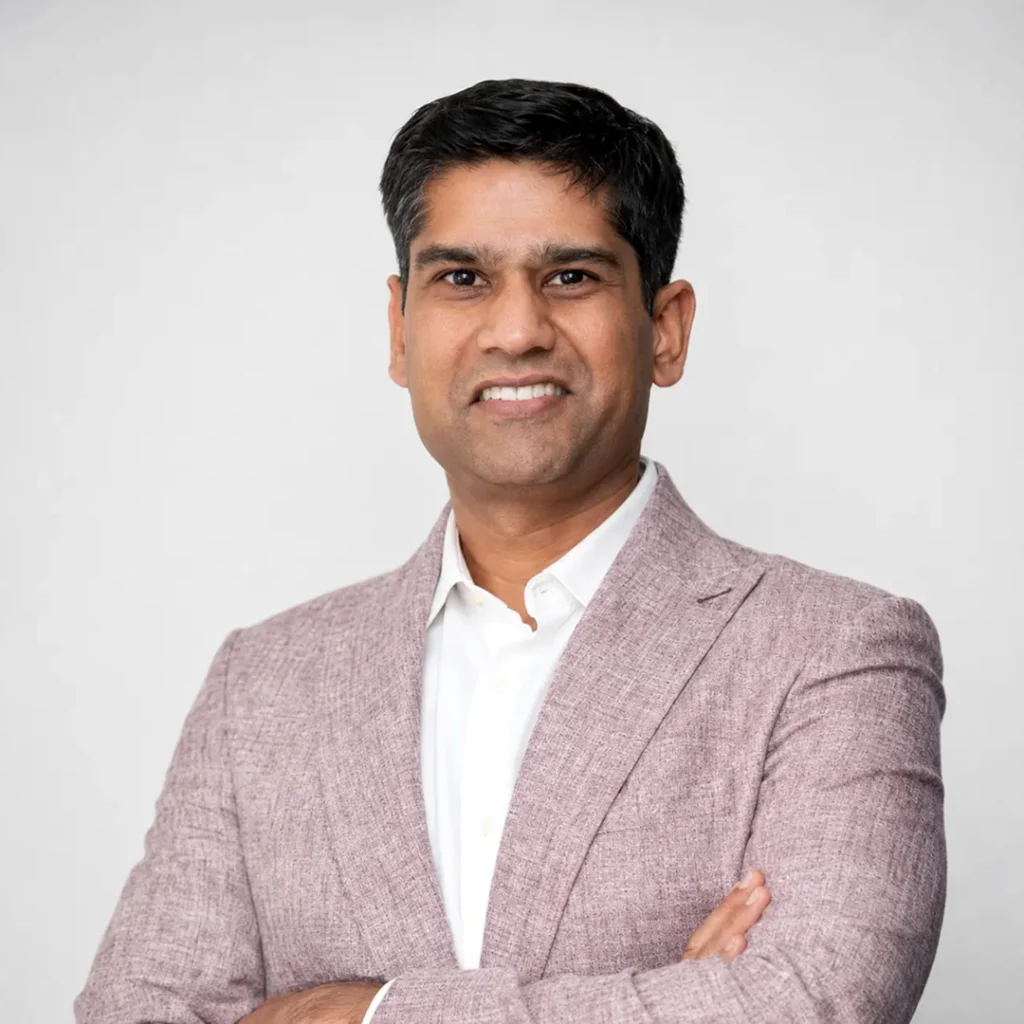 ✓ Credentials reviewed
Dr. Ranjith Ramasamy, MD
Urologist · Male Reproductive Medicine · Sexual Medicine Research
Dr. Ranjith Ramasamy is an American-trained urologist and researcher whose work focuses on male infertility, sexual dysfunction, testosterone deficiency, Peyronie’s disease and reproductive microsurgery. His professional record combines clinical care, academic medicine and a…
View expert profile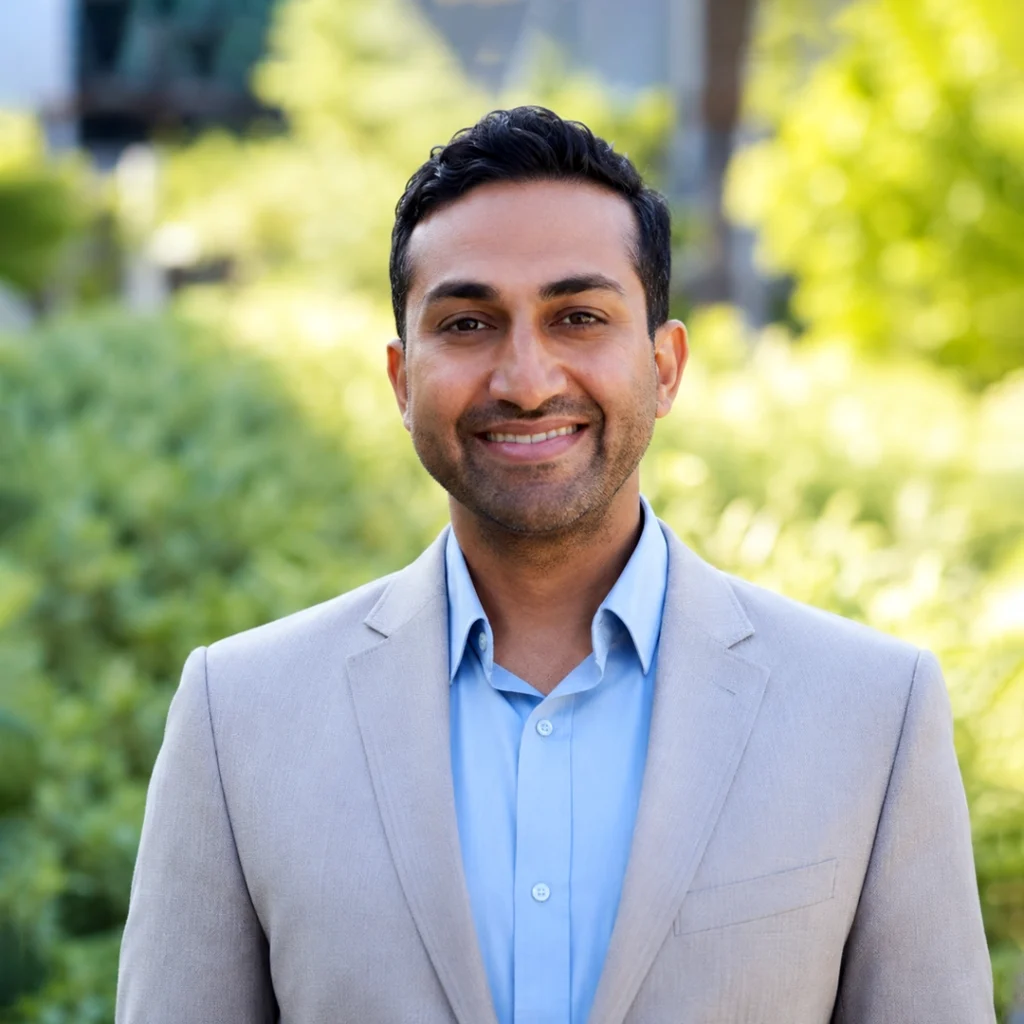 ✓ Credentials reviewed
Vinay Prasad, MD, MPH
Hematologist-Oncologist · Professor · Evidence and Health-Policy Researcher
Vinay Prasad, MD, MPH, is a hematologist-oncologist and Professor of Epidemiology and Biostatistics and Medicine at the University of California, San Francisco. His work focuses on cancer-drug evidence, randomized trials, clinical decision-making, regulatory policy,…
View expert profile