
 ✓
✓
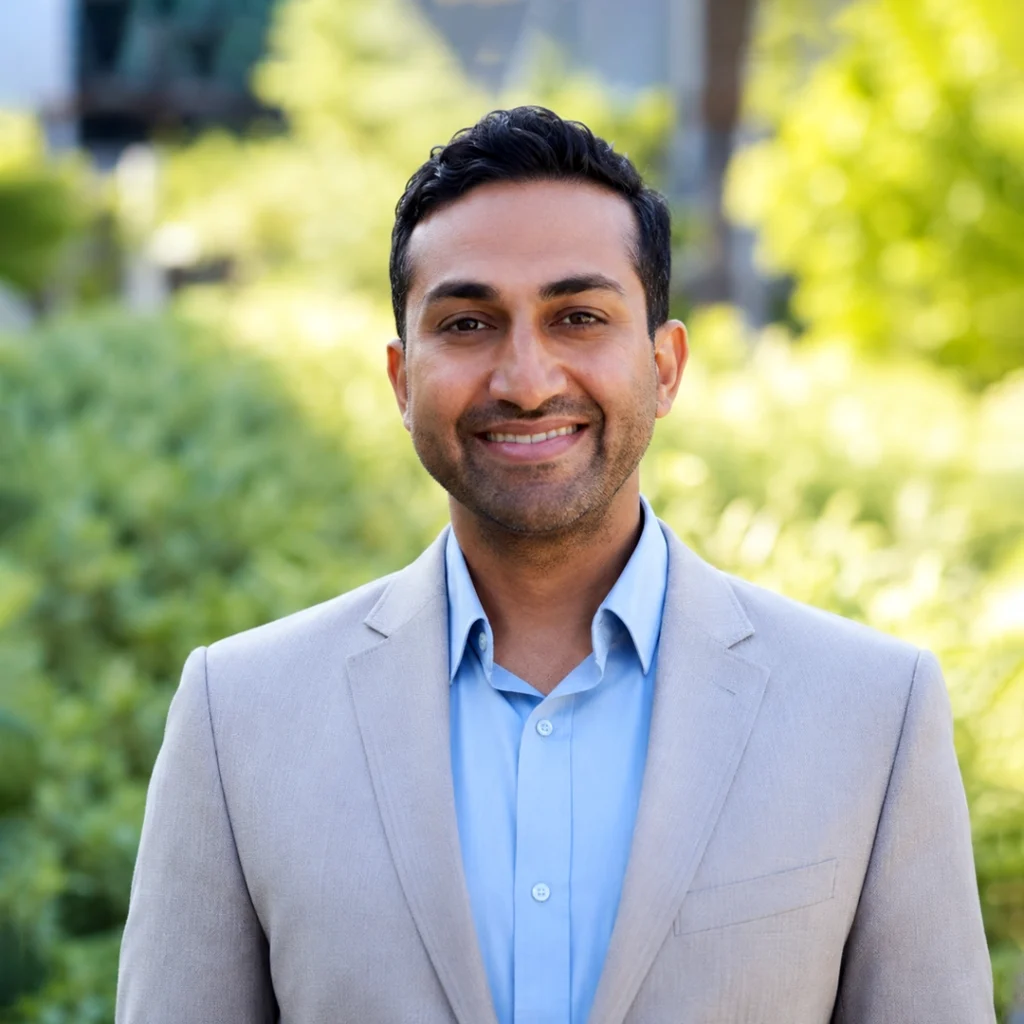
Vinay Prasad, MD, MPH
Hematologist-Oncologist · Professor · Evidence and Health-Policy Researcher
Vinay Prasad, MD, MPH, is a hematologist-oncologist and Professor of Epidemiology and Biostatistics and Medicine at the University of California, San Francisco. His work focuses on cancer-drug evidence, randomized trials, clinical decision-making, regulatory policy, medical reversal and the quality of evidence supporting new treatments.
About Dr. Prasad
His academic work examines how cancer treatments are tested, approved,
interpreted and adopted in clinical practice.
Current UCSF role
Dr. Prasad is Professor of Epidemiology and Biostatistics and Medicine at UCSF
and a practicing hematologist-oncologist at San Francisco General Hospital.
His clinical work includes classic hematology, malignant hematology and solid tumors.
FDA service
Before returning to UCSF in June 2026, he served at the U.S. Food and Drug Administration
as Chief Medical and Scientific Officer and Director of the Center for Biologics
Evaluation and Research.
Areas of expertise
ClearMed Journal presents cancer-treatment claims according to the strength,
limitations and clinical relevance of the available evidence.
Hematology and oncology
Evidence-based assessment of blood disorders, hematologic malignancies,
solid tumors and cancer-treatment decisions.
Clinical trials
Randomized trials, trial design, bias, control groups, patient outcomes
and interpretation of study results.
Cancer-drug evidence
Drug efficacy, safety, surrogate endpoints, accelerated approval,
value, pricing and post-approval evidence.
Fenbendazole claims
Critical evaluation of claims involving fenbendazole, a veterinary antiparasitic
medicine that is not established as a safe or effective human cancer treatment.
Regulatory policy
FDA standards, biologics oversight, drug approvals, evidence thresholds
and post-market responsibilities.
Medical reversal
Study of established medical practices later found to be ineffective,
unsupported or less beneficial than originally believed.
Medical training
Doctor of Medicine
University of Chicago Pritzker School of Medicine
Internal medicine residency
Northwestern University
Hematology and medical oncology fellowship
National Cancer Institute and National Institutes of Health
Master of Public Health
Johns Hopkins University
Selected research themes
- ✓Randomized trials, bias and evidence quality
- ✓Cancer-drug approvals and surrogate endpoints
- ✓Clinical decision-making and health policy
- ✓Low-value care and medical reversal
- ✓Cancer-drug pricing, value and patient outcomes
Professional contribution
Selected work
- ✓Author of more than 500 peer-reviewed papers
- ✓Co-author of Ending Medical Reversal
- ✓Author of Malignant: How Bad Policy and Bad Evidence Harm People with Cancer
- ✓Host of the Plenary Session oncology podcast
- ✓Research mentor and director of the VKPrasad Lab
Professional and medical sources
Readers can use these records to confirm the profile information
and review evidence on fenbendazole and cancer-treatment claims.
Profile review & publication
Profile information reviewed and published by ClearMed Journal
Professional titles, training, expertise, roles and linked records are presented using the profile information and professional sources maintained for this expert.
Professional information is organised against linked records.
Readers can open professional, academic or scholarly references.
Writing and medical-review relationships are displayed separately.
Profiles can be revised when material professional information changes.
Medical information notice: This profile and related articles provide general educational information and do not replace diagnosis, treatment or advice from a licensed oncology team. Fenbendazole is primarily a veterinary antiparasitic medicine; it is not an established or FDA-approved human cancer treatment. People with cancer should not replace proven treatment or clinical-trial care with veterinary products or unverified online protocols.
Explore other profiles
Browse additional expert profiles across clinical medicine, research and medical content.
 ✓ Credentials reviewed
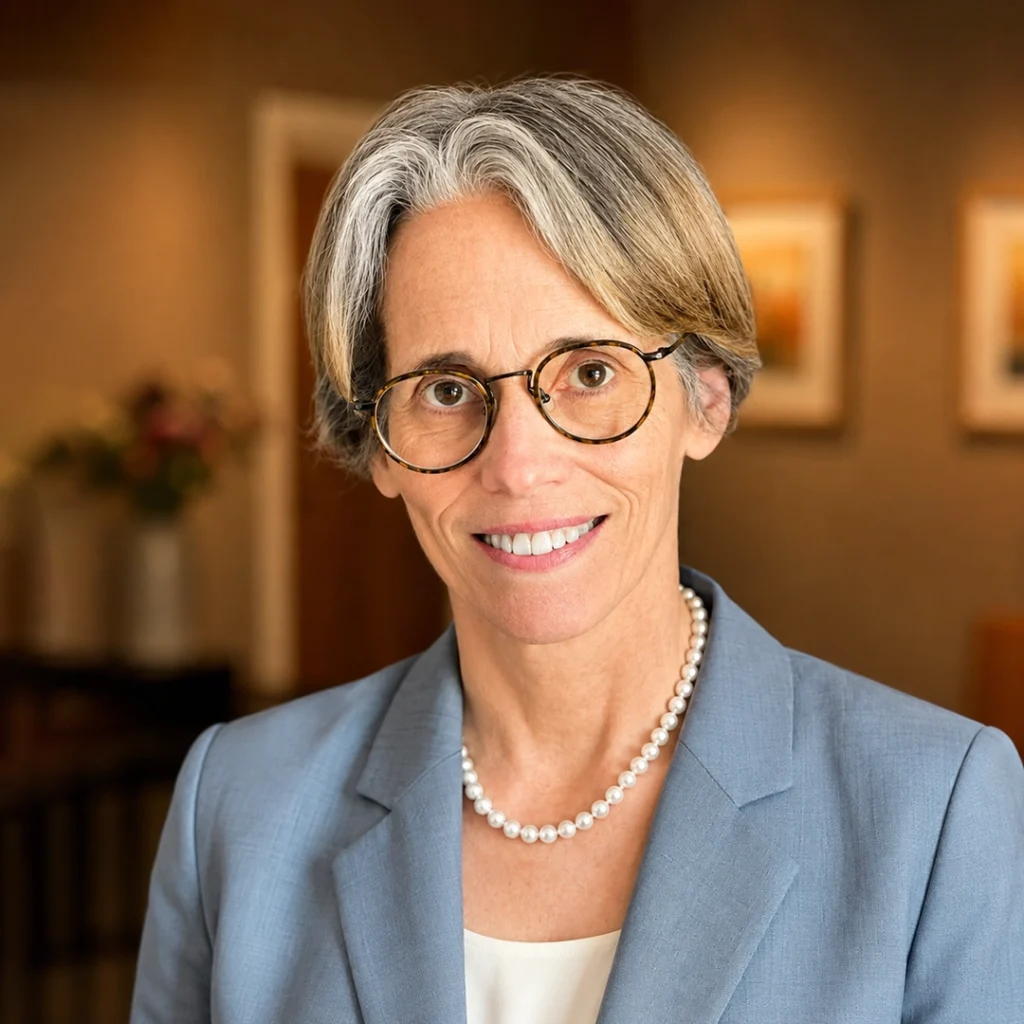
Anne L. Peters, MD
Endocrinologist · Professor of Medicine · Diabetes Care and Technology
Anne L. Peters, MD, is a Professor of Medicine at the Keck School of Medicine of USC and Director of the USC Clinical Diabetes Programs. Her work spans type 1 and type 2 diabetes,…
View expert profile ✓ Credentials reviewed
María Fernández Díaz
Director · Senior Clinical Embryologist · Assisted Reproduction and Reproductive Biology
María Fernández Díaz is Director of Clínica ERGO and a clinical embryologist working in assisted reproduction. Her published professional record includes degrees in Biochemistry and Chemistry, postgraduate training in reproductive biology, cancer research and…
View expert profile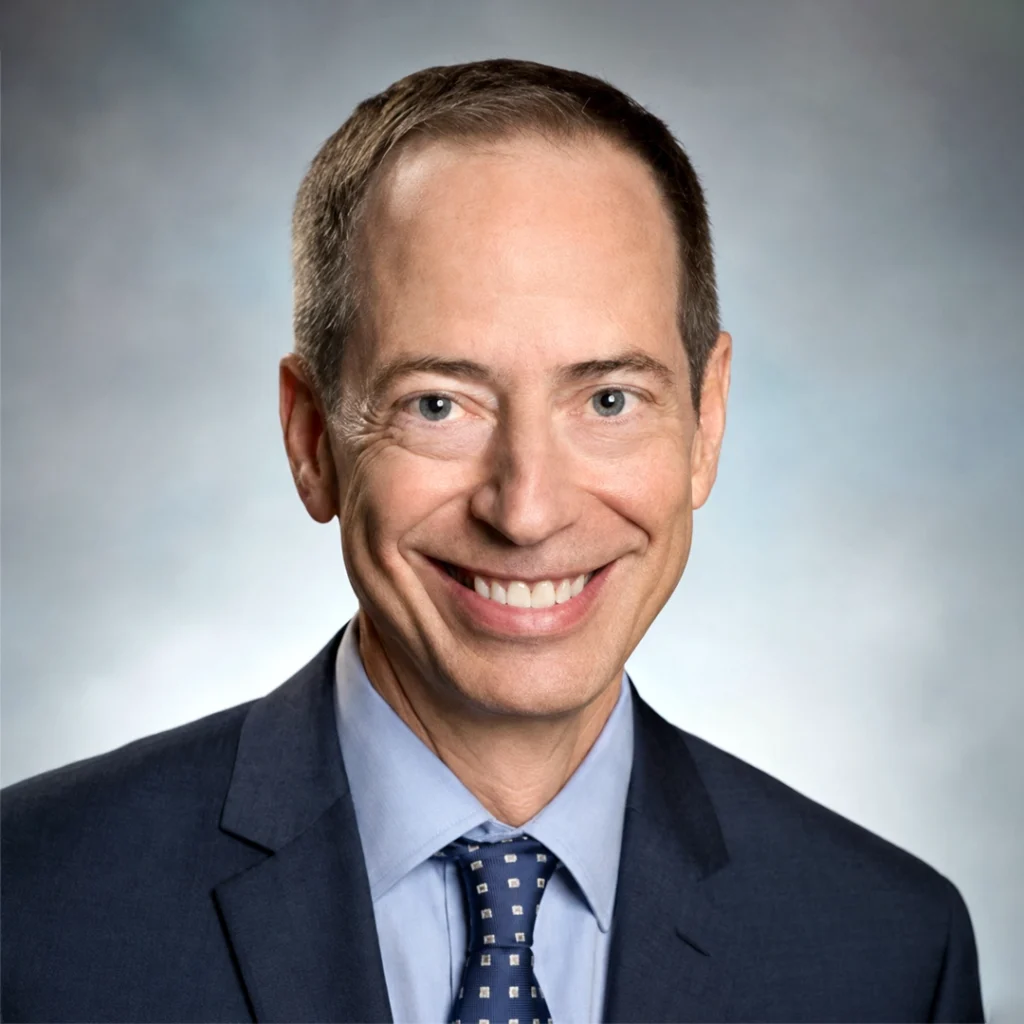 ✓ Credentials reviewed
Paul E. Sax, MD
Infectious Diseases Physician · Professor of Medicine · HIV Specialist
Paul E. Sax, MD, is Clinical Director of the Division of Infectious Diseases at Brigham and Women’s Hospital and Professor of Medicine at Harvard Medical School. He is internationally recognized for HIV clinical care,…
View expert profile